Contact us on WhatsApp

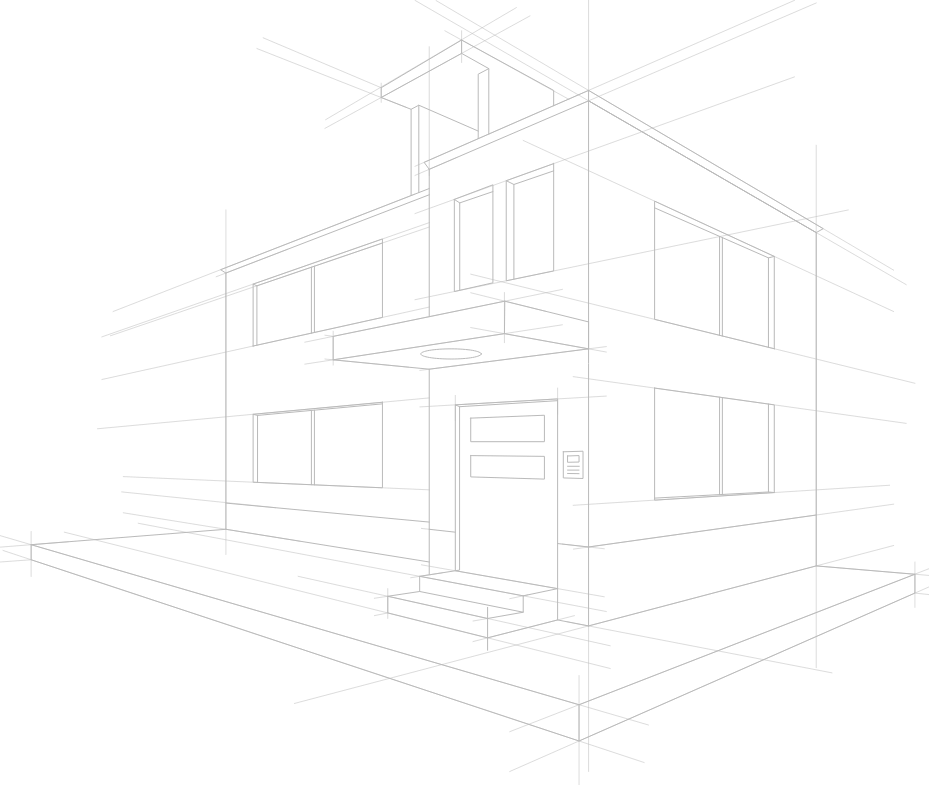
Architectural wireframe illustration representing office building design

Office Interior Cost in Bangalore 2026 : Breakdown, Factors & Pricing Per Sq Ft

Dec 17, 2025 • 3:46 PM
Megha Menon design head in Design arc interiors
Megha Menon

Design Head

Office Interior Cost In Bangalore
Let’s Discuss your Project

Share It With Others

The average office interior design cost in Bangalore in 2026 ranges between ₹900 – ₹2,500 per sq ft, depending on material quality, layout complexity, furnishings, IT infrastructure, and design standards. Turnkey office interiors generally start from ₹1,200 per sq ft.
  1. What Is the Average Office Interior Cost in Bangalore?
  2. Key Factors Affecting Office Interior Cost in Bangalore
  3. Office Interior Design Material Cost in Bangalore
  4. Breakdown of Office Interior Components
  5. Cost Differences: Basic vs Premium vs Luxury Interiors
What Is the Average Office Interior Cost in Bangalore?
None

On average, companies spend ₹1700 – ₹2,500 per sq ft for complete office interiors in Bangalore. Startups typically opt for basic interiors, while corporates and tech companies choose premium or luxury specifications. Costs vary significantly depending on materials, workstation density, ceiling type, IT/server room requirements, and brand standards.

Average Office Interior Cost Table Bangalore 2026

Type of Office Interior

Cost (Per Sq Ft)

Basic Interior

₹1,600 – ₹1,800

Mid-Range Interior

₹1,800 – ₹2,100

Premium Interior

₹2100 – ₹2,800

Turnkey Interior 

Starts at ₹2100

Key Factors Affecting Office Interior Cost in Bangalore

Several critical elements influence the budget for interior execution:

  1. Material selection: Custom carpentry, modular furniture, and imported finishes cost higher.
  2. Office size & layout: More partitions, cabins, and meeting rooms increase costs.
  3. Design complexity: Premium offices require detailed drawings and bespoke designs.
  4. Mechanical & IT: Expect higher costs for cooling systems and server room requirements.
  5. Brand identity & aesthetics: Feature walls, glass branding, and signage add to cost.
  6. Furniture & ergonomic products: Chairs and sit–stand desks significantly impact pricing.
  7. Timeline of delivery: Fast-track projects require more labour and therefore increase rates.
Office Interior Design Material Cost in Bangalore

Material choices impact 60–70% of the total budget. Below is a material-focused estimate:

Material Category

Budget Level

Approx. Cost 

Wood & Laminates

Basic/Premium/Luxury

Major

Glass & Partitions

Basic/Premium

Medium

Flooring

Vinyl/Tile/Wooden

Medium

Lighting

LED/Premium Architectural

Medium

Furniture

Basic Modular/Premium Ergonomic

High

Breakdown of Office Interior Components

Office interior costs are divided across multiple components, each serving a functional and design purpose. This breakdown provides clarity on where the budget is allocated and what factors influence individual costs.
None

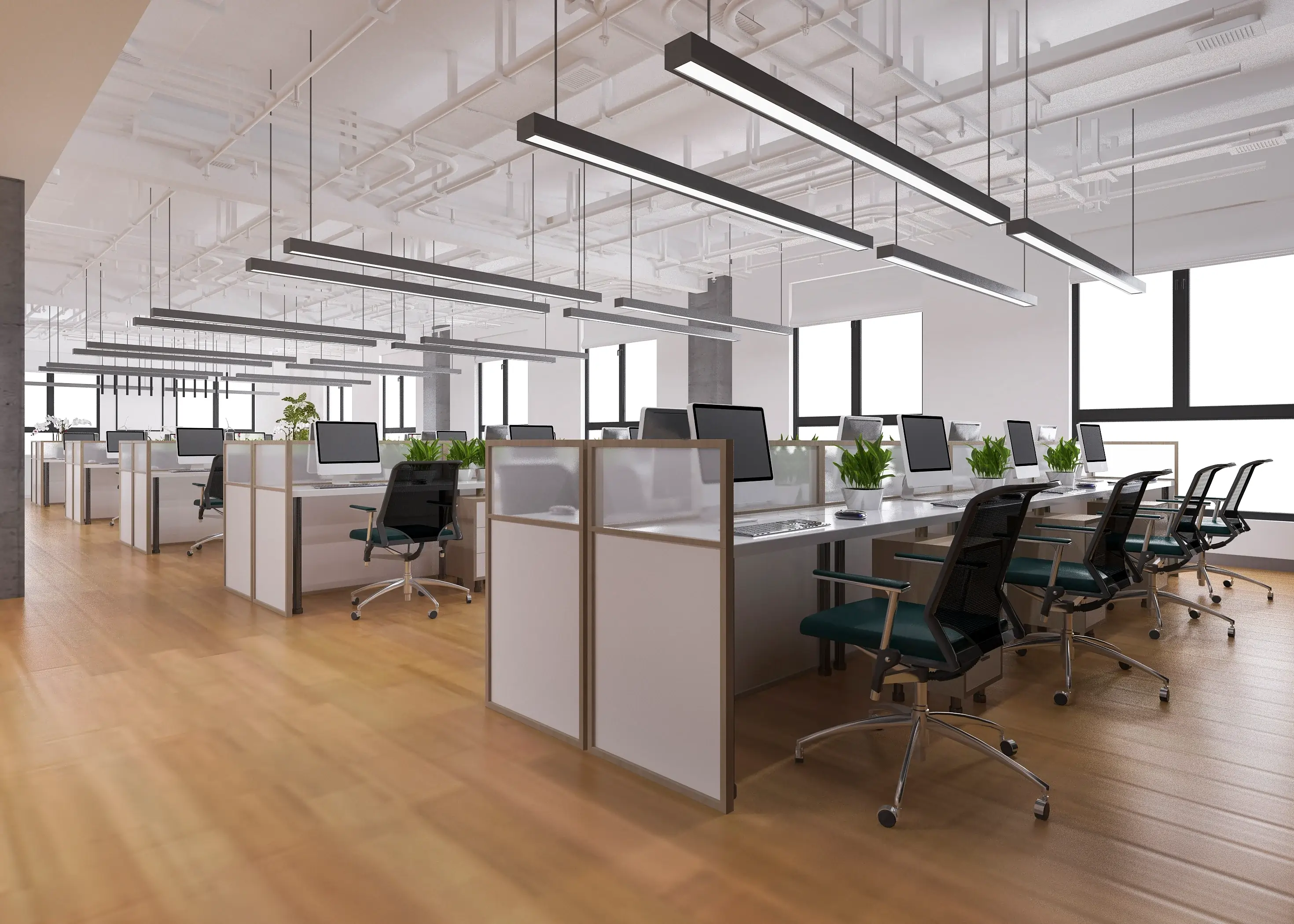
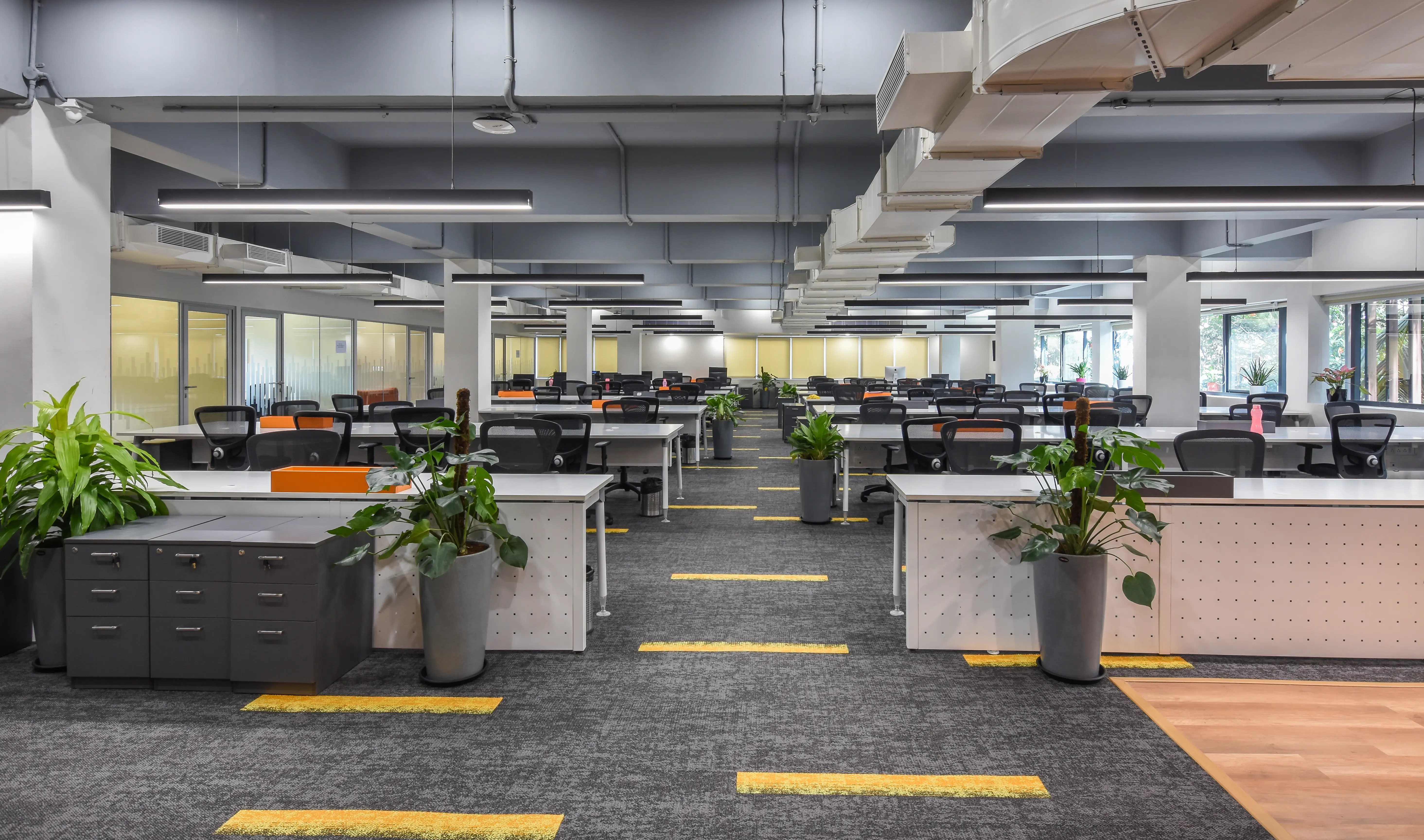
1. Workstations & Open Office Areas

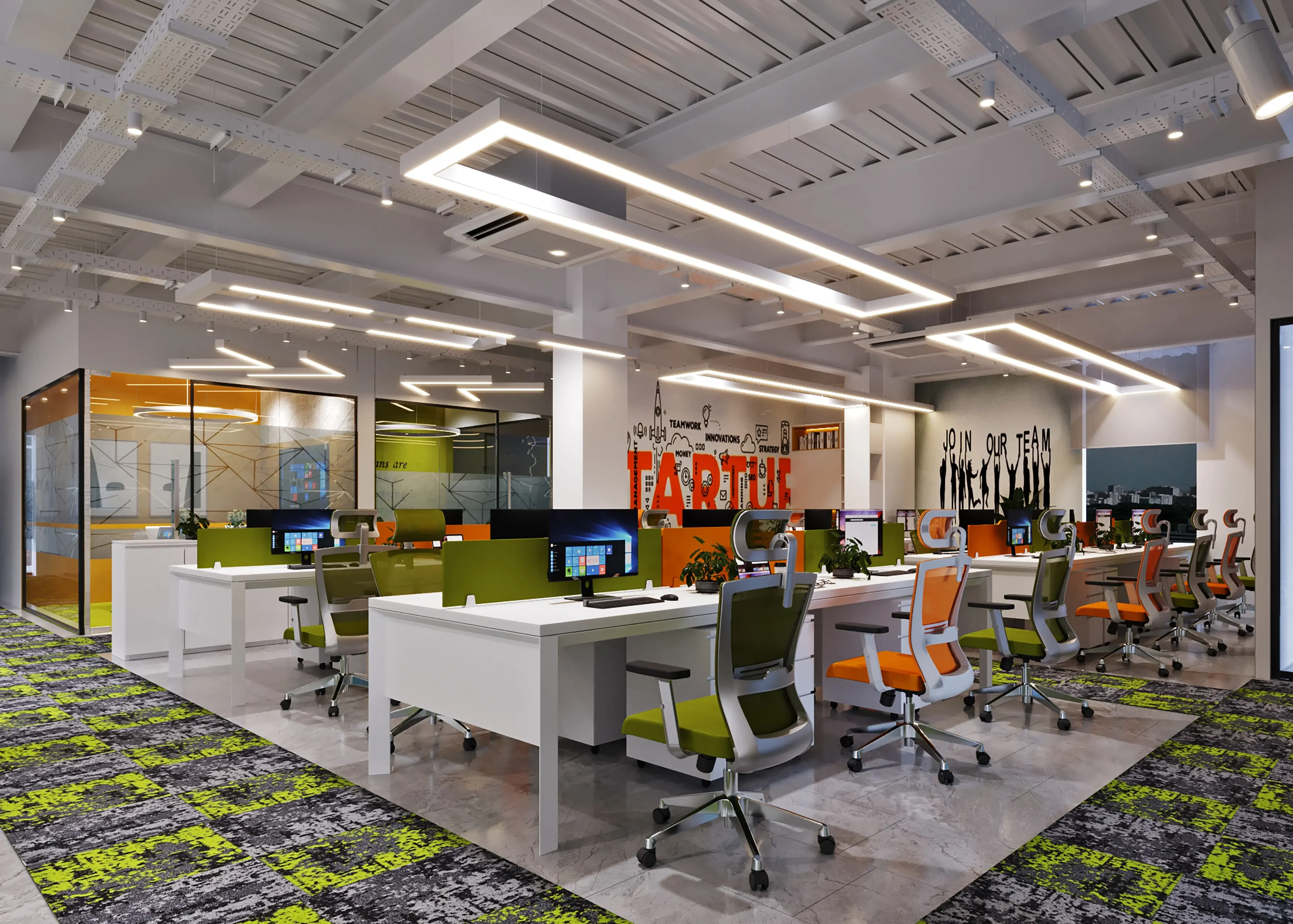
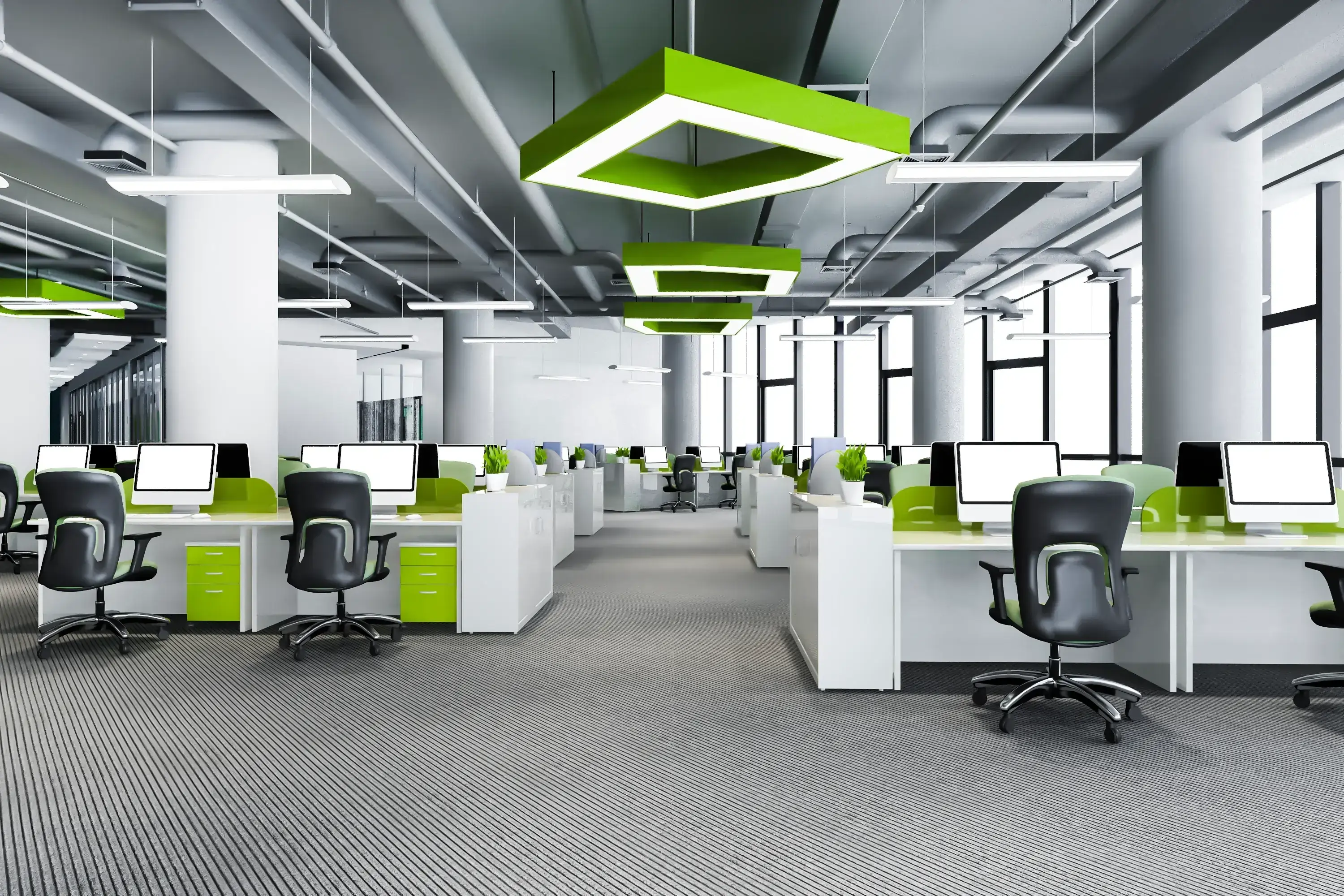
Workstations contribute the highest cost per sq ft, especially when built using premium laminate or imported hardware. Ergonomic chairs, cable management, and soft-wiring systems increase the budget. Mid-range companies typically choose modular furniture, while premium offices prefer custom-built setups for flexibility and branding

None

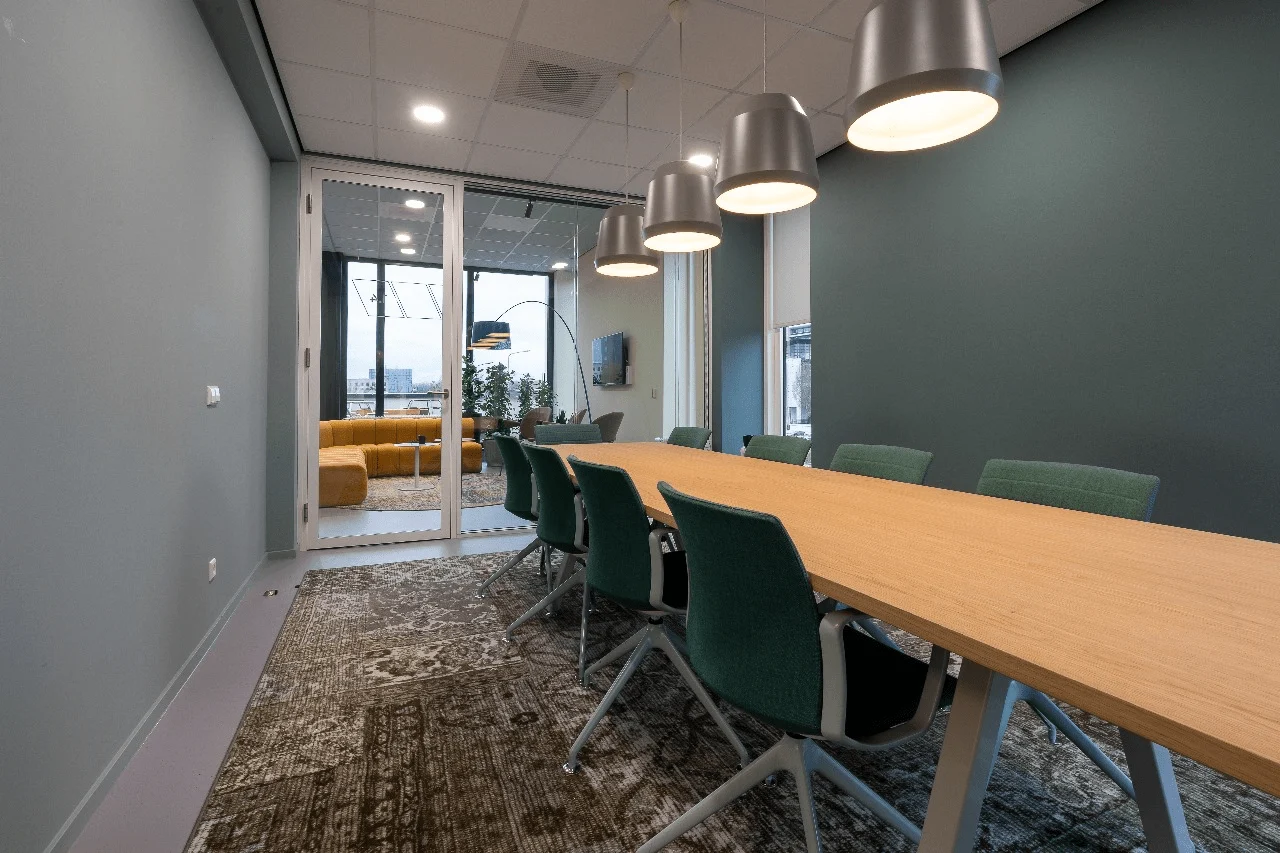
2. Cabins & Meeting Rooms

Glass partitions, acoustic panels, wooden storage units, and branded wall features add to the cost of executive cabins. Meeting rooms require AV setups, conference tables, and noise-insulated walls. The higher the acoustic requirement, the more the cost.
None

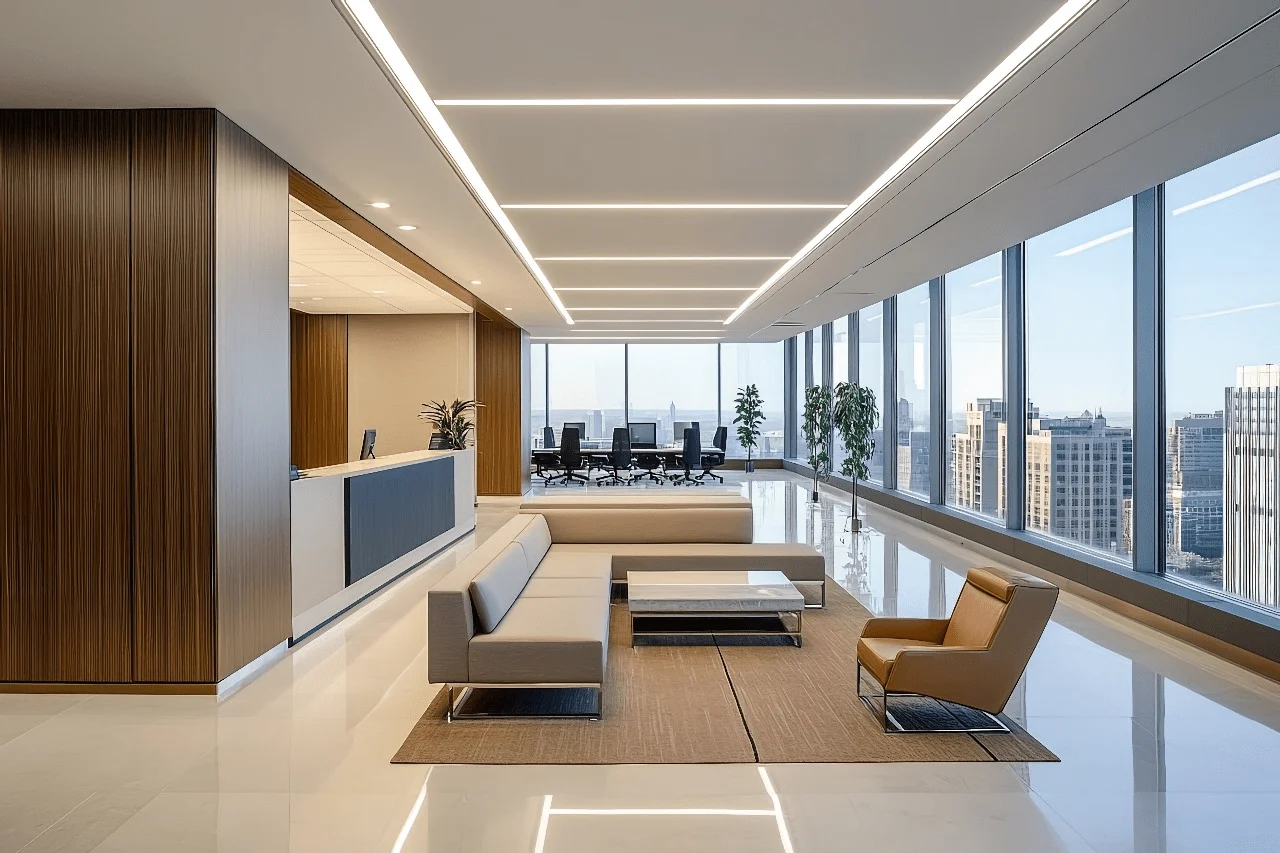
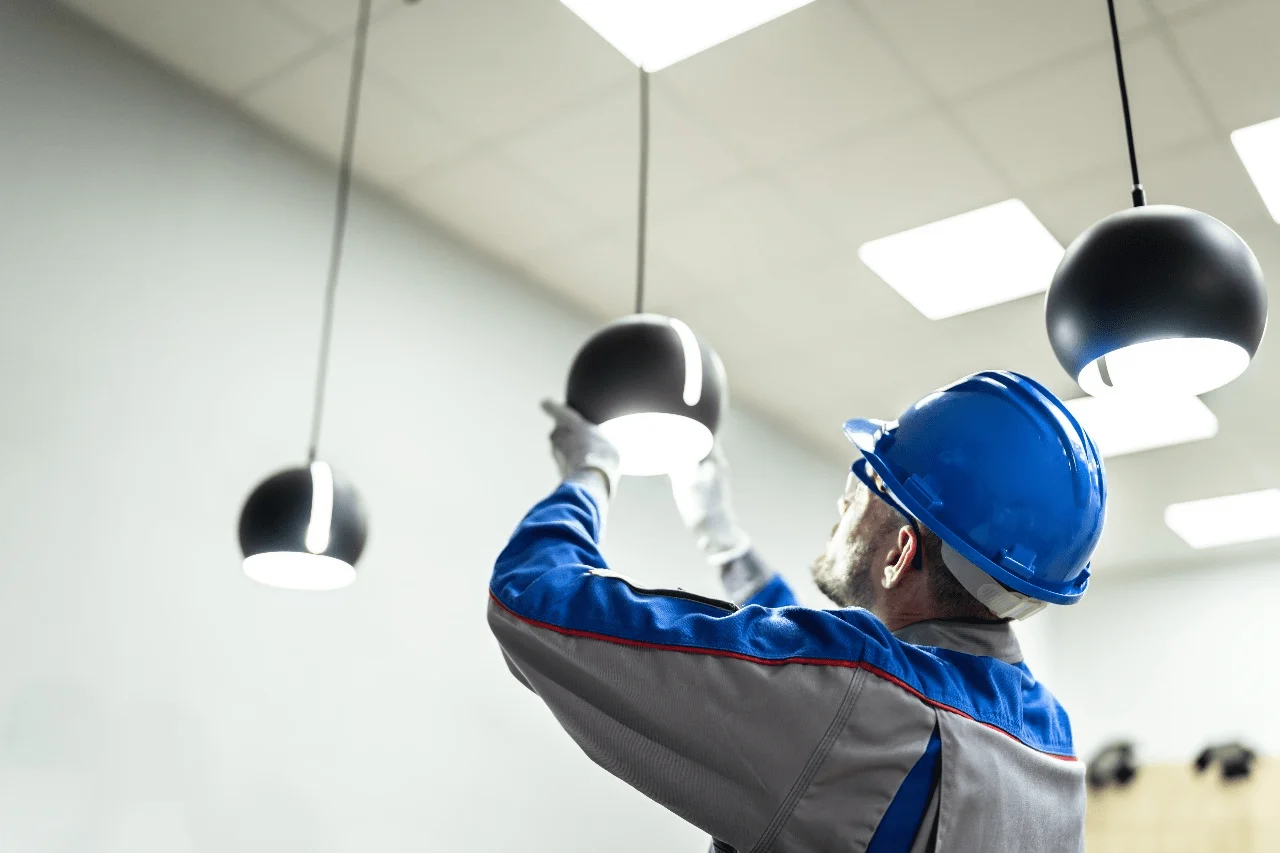
3. Ceilings & Lighting

False ceilings (gypsum or grid) define the visual appeal and house electrical and HVAC services. Lighting upgrades—task lighting, track lights, and ambient LED fixtures—significantly impact energy efficiency and mood, influencing long-term operating costs.
None

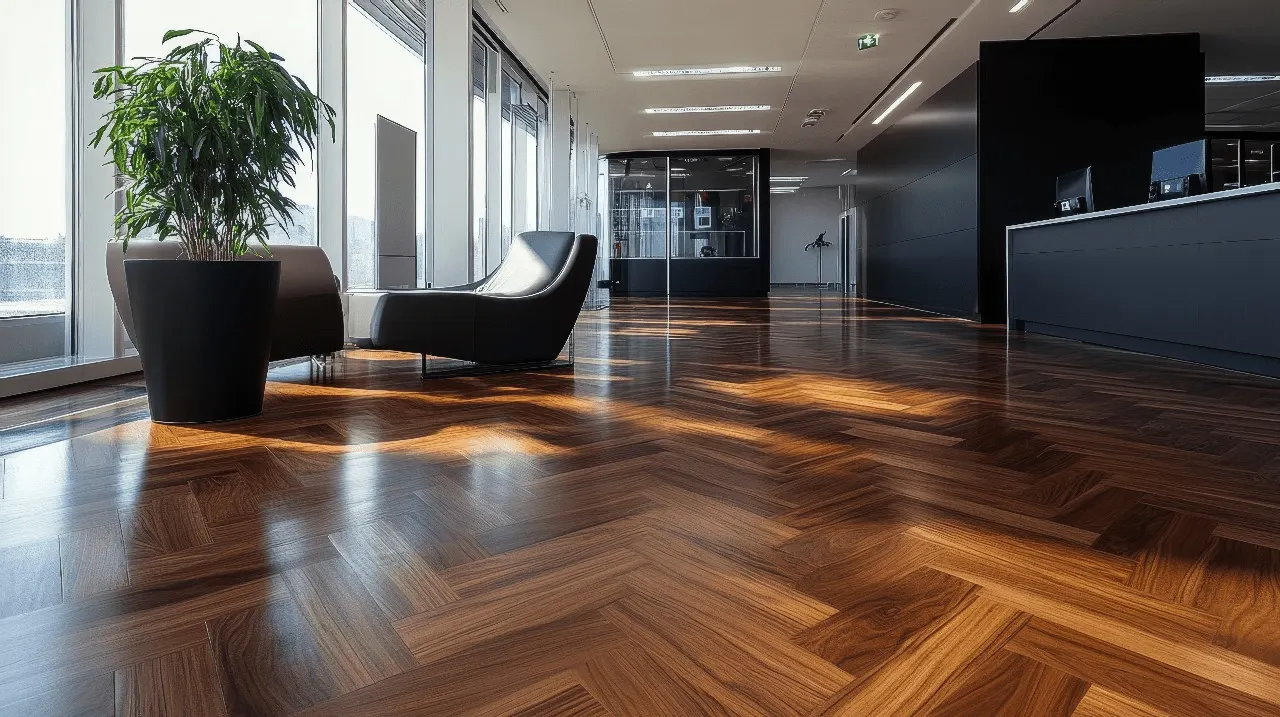
4. Flooring

Tiles, vinyl flooring, carpet tiles, and wooden flooring dominate office interiors. Carpet tiles are preferred in IT companies due to acoustic performance. Wooden laminates cost more but add a premium feel.
None

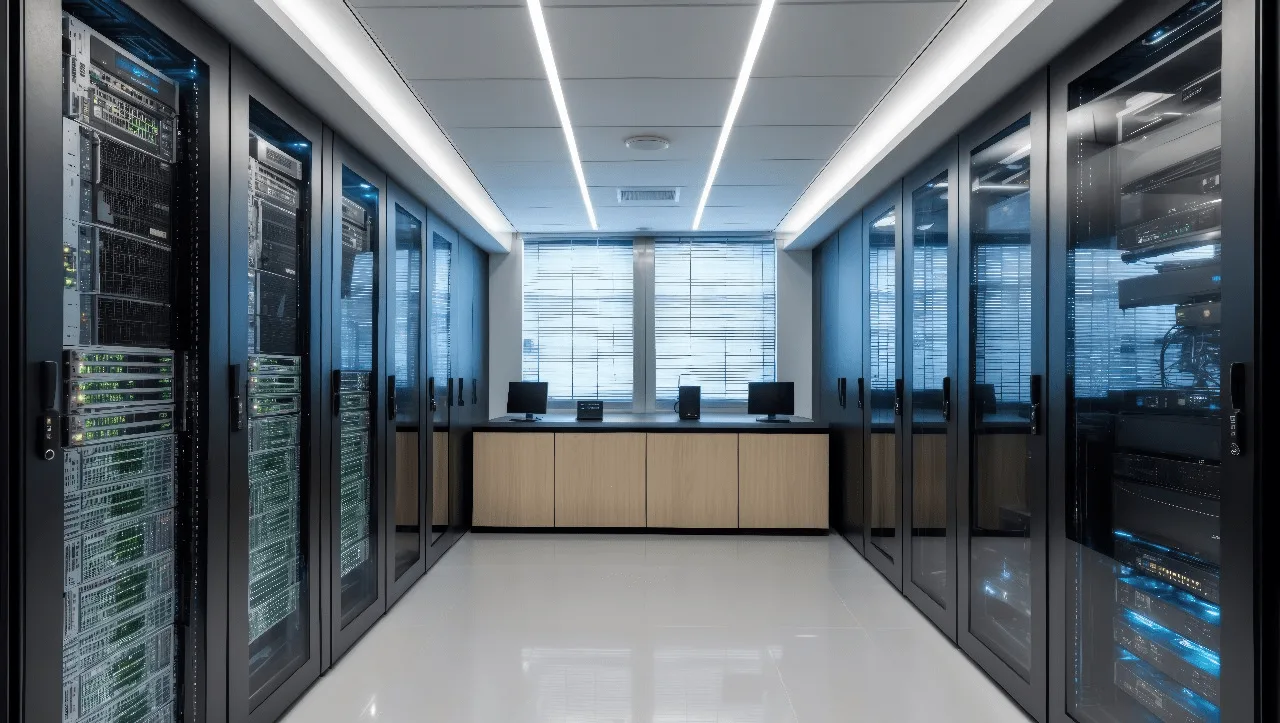
5. IT, Networking & Server Room

Structured cabling, racks, access control, CCTV, and redundant power dramatically change the cost. Server rooms require raised flooring, cooling systems, and fire suppression—making them the most expensive element per square foot.
None

6. Civil & Electrical Work

Electrical wiring, earthing, sockets, switches, and distribution boards form the foundation of a safe workspace. Reworking existing infrastructure (common in older buildings) adds to the final cost.

Cost Differences: Basic vs Premium vs Luxury Interiors

Feature

Basic

Premium

Luxury

Workstations

Simple modular

Custom build

Designer/ergonomic

Flooring

Vinyl/tiles

Carpet + wooden

Imported wooden

Lighting

Basic LEDs

Architectural

Smart lighting

Cabins

Standard partitions

Acoustic panels

Executive-grade

Reception

Minimal

Stylish paneling

High-end branding

Cost/Sq Ft

₹900–₹1,200

₹1,300–₹1,800

₹1,900–₹2,500

Frequently Asked Questions

Ans: Yes—use modular furniture, standard laminates, and open layouts.

Ans: it usually takes 30–60 days, sometimes it depends on the scope of work

Starts at ₹2,500 per sq ft, depending on materials.

Ans: Typically ₹45 lakh – ₹1.2 crore, depending on the finish.

Ans: Workstations, IT infrastructure, ceiling design, and branding.

Ans: Labour rates, premium material availability, and tech-driven IT requirements increase costs.

Ans: Between ₹1700 – ₹2,500 per sq ft, depending on specifications.
About the Author

Megha Menon design head in Design arc interiors
Megha Menon

Megha Menon is the Design Head at DesignArc Interiors, bringing a strong blend of creativity, functionality, and strategic space planning to commercial interior projects. With hands-on experience in office interiors, corporate workspaces, and branded environments, she specializes in translating client requirements into practical, aesthetically refined designs. As Design Head, Megha leads the design team through every phase—concept development, space planning, material selection, and design coordination—ensuring each project aligns with both business objectives and user comfort. Her design approach focuses on efficiency, sustainability, and long-term usability, making her a key contributor to DesignArc Interiors’ successful project deliveries across industries.

Related blogs