Megha Menon
Design Head

For our service
enquiry@designarcinteriors.com
Jobs & career
For the vendors

Design Head


What Is the Average Office Interior Cost in Bangalore?
Key Factors Affecting Office Interior Cost in Bangalore
Office Interior Design Material Cost in Bangalore
Detailed Breakdown of Office Interior Components With Individual Costs
How to Reduce Office Interior Cost in Bangalore
Step by Step Process to Plan Office Interiors Design
Why Office Interior Costs Vary in Bangalore Compared to Other Cities
Mini Case Study — Modern Office Project by Design Arc Interiors
How Design Arc Interiors Helps You Save Cost & Deliver High-Quality Interiors
Conclusion
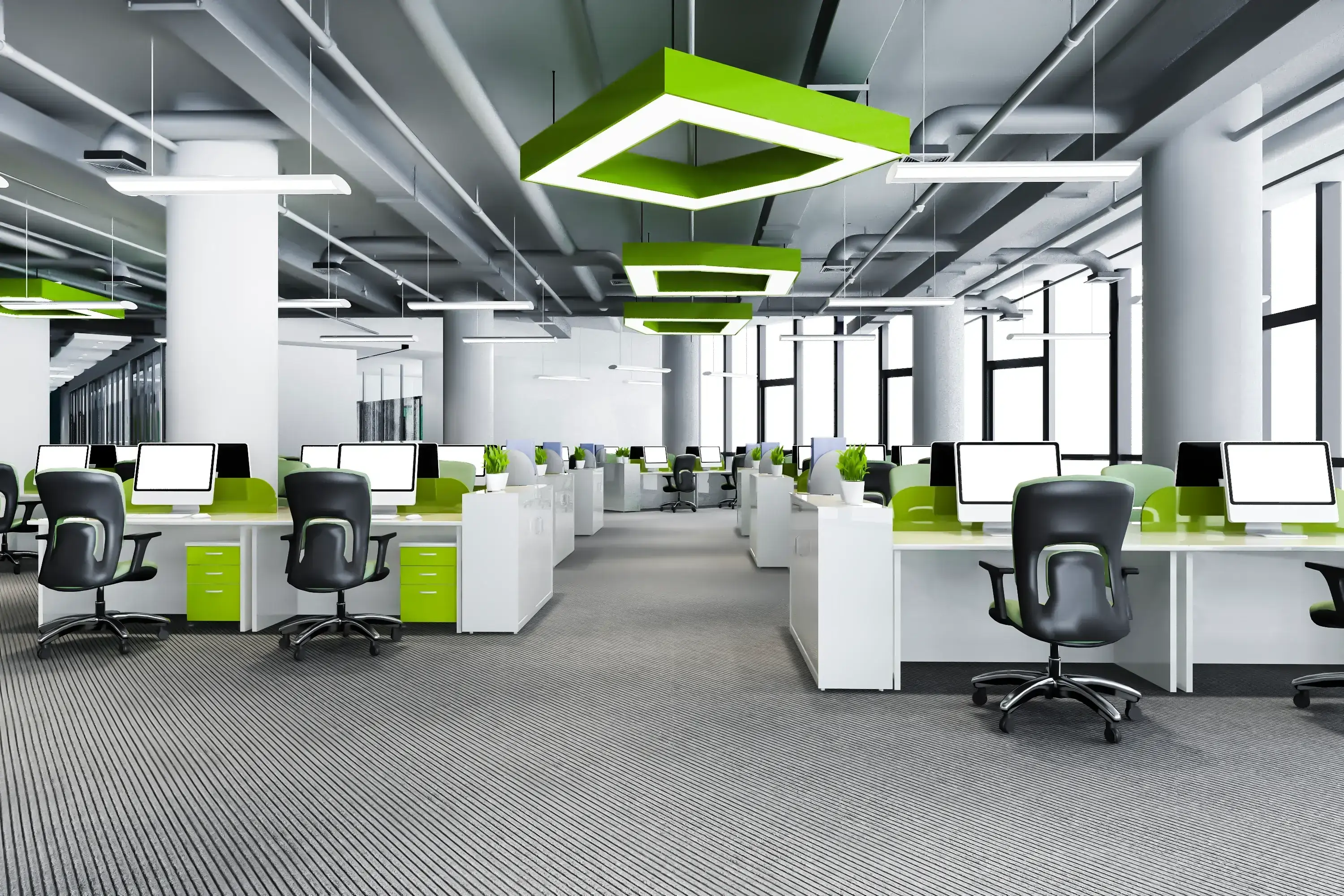
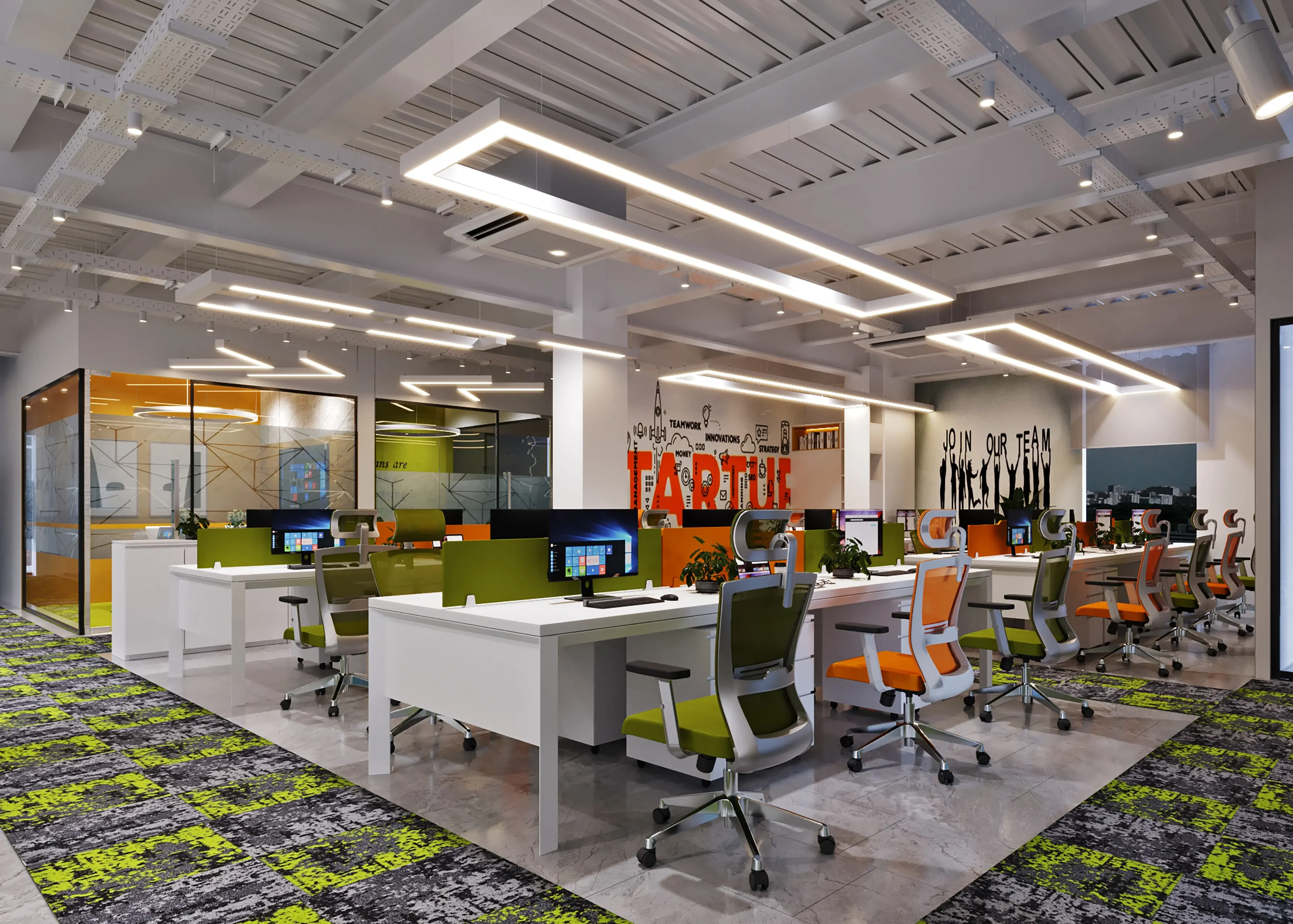
On average, companies spend ₹1,800 – ₹2,600 per sq ft for complete office interiors in Bangalore. Startups typically opt for basic interiors, while corporates and tech companies choose premium or luxury specifications. Costs vary significantly depending on materials, workstation density, ceiling type, IT/server room requirements, and brand standards.
| Type of Office Interior | Cost Per Sq Ft | Best For |
| Basic Interior | ₹1800 – ₹2,000 | Startups, small teams, lean budgets |
| Mid Range Interior | ₹2,000 – ₹2,600 | Growing companies, IT offices |
| Premium Interior | ₹2,600+ | Corporates, brand-driven offices |
Several critical elements influence the budget for interior execution:
Material choices impact 60–70% of the total budget. Below is a material-focused estimate:
| Material Category | Budget Level | Approx. Cost |
| Wood & Laminates | Basic/Premium/Luxury | Major |
| Glass & Partitions | Basic/Premium | Medium |
| Flooring | Vinyl/Tile/Wooden | Medium |
| Lighting | LED/Premium Architectural | Medium |
| Furniture | Basic Modular/Premium Ergonomic | High |
Office interior costs are divided across multiple components, each serving a functional and design purpose. This breakdown provides clarity on where the budget is allocated and what factors influence individual costs.
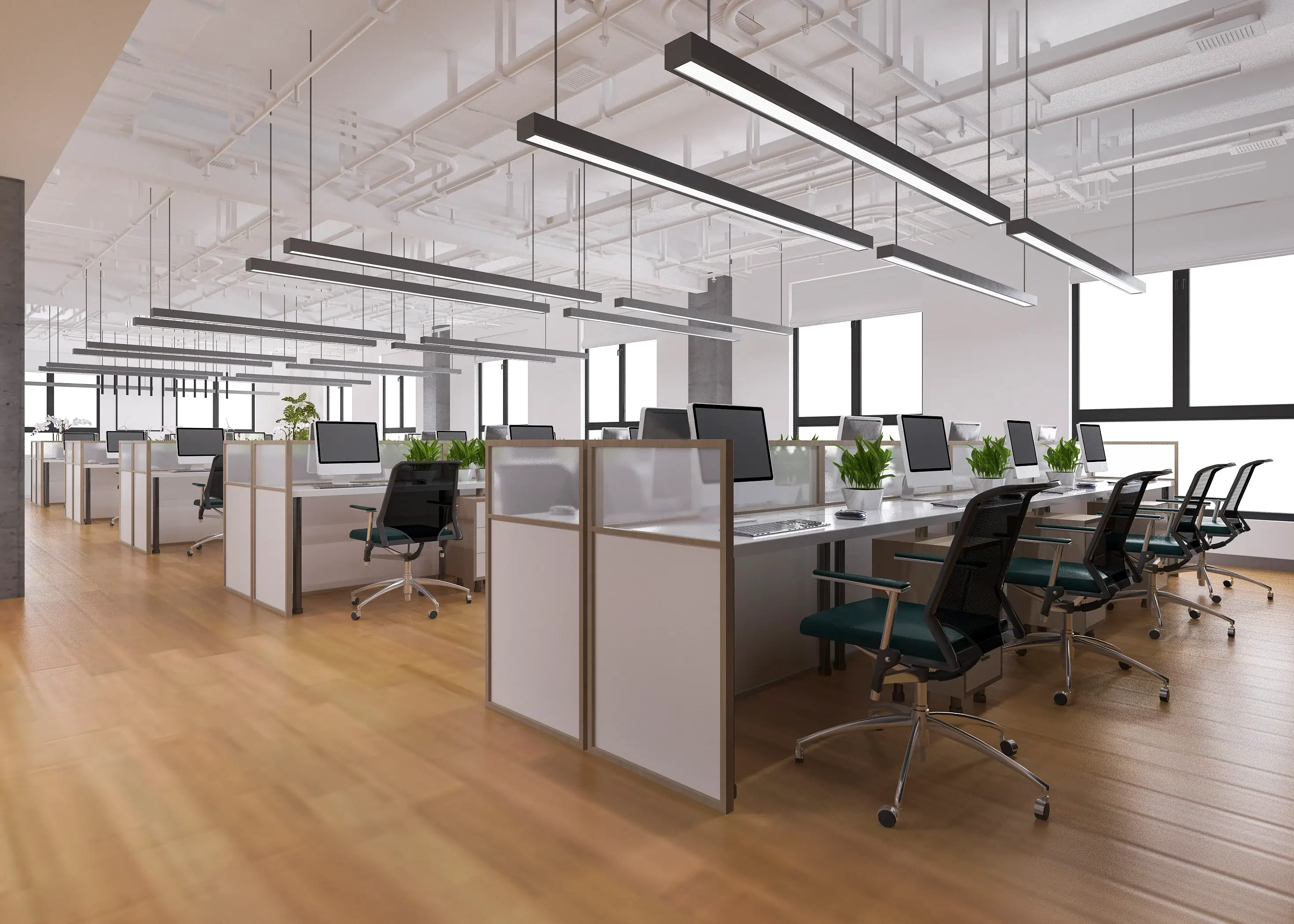
Workstations contribute the highest cost per sq ft, especially when built using premium laminate or imported hardware. Ergonomic chairs, cable management, and soft-wiring systems increase the budget. Mid-range companies typically choose modular furniture, while premium offices prefer custom-built setups for flexibility and branding.
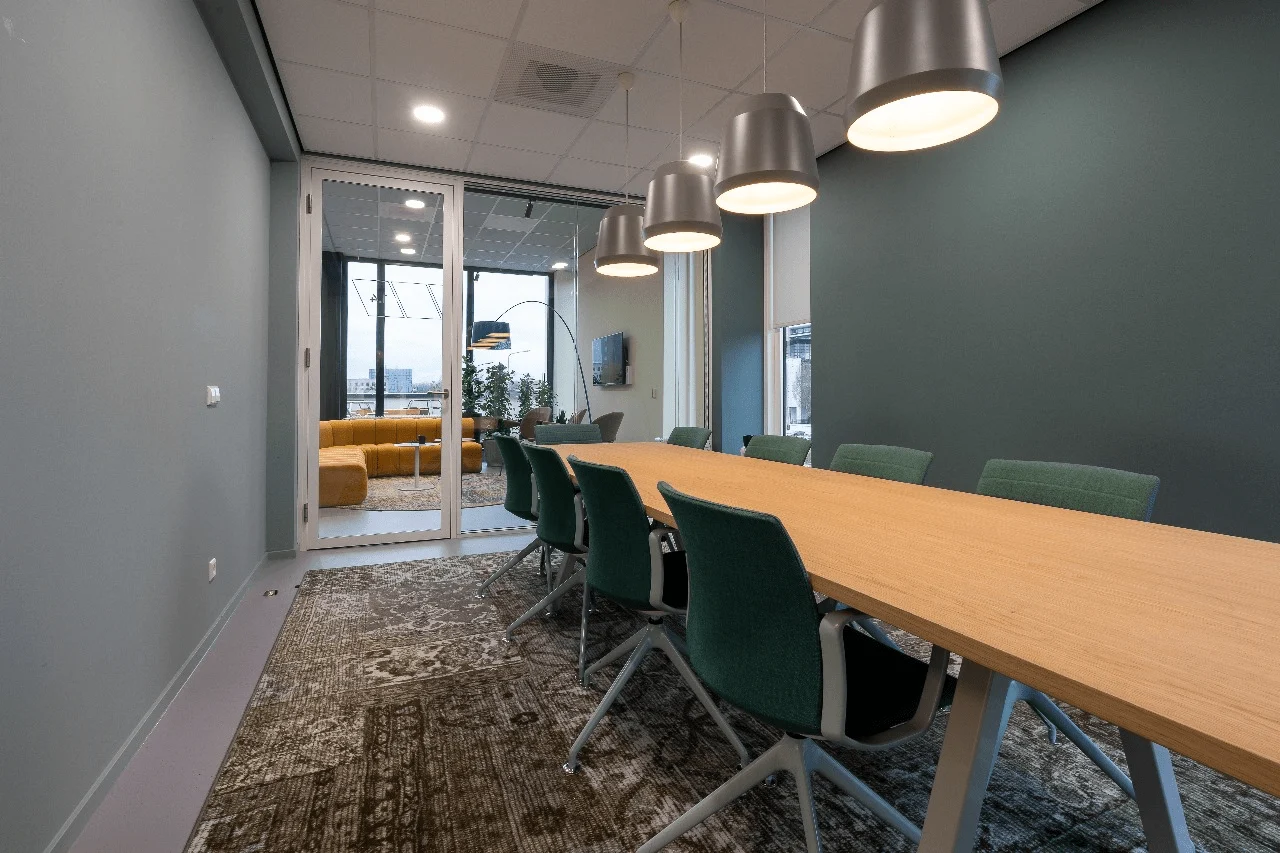
Glass partitions, acoustic panels, wooden storage units, and branded wall features add to the cost of executive cabins. Meeting rooms require AV setups, conference tables, and noise-insulated walls. The higher the acoustic requirement, the more the cost.
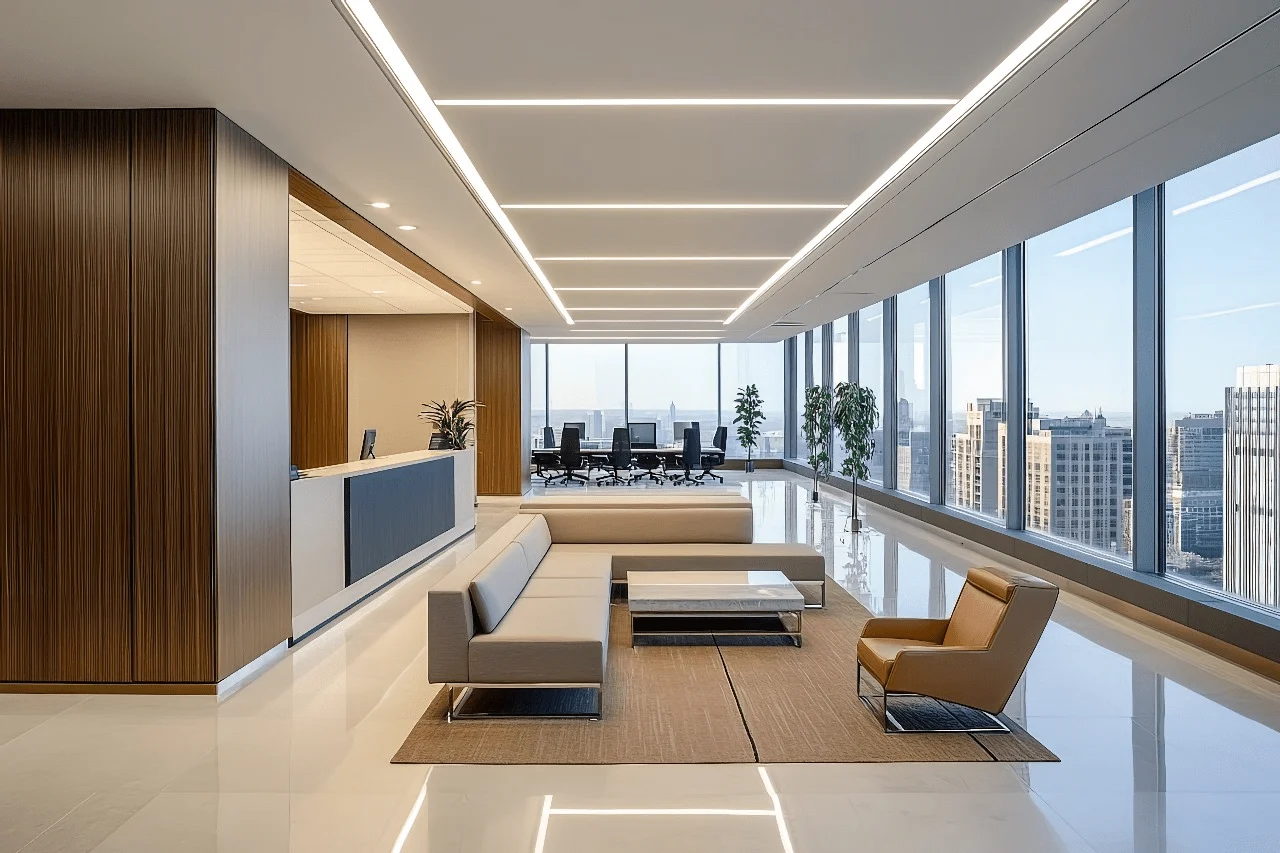
False ceilings (gypsum or grid) define the visual appeal and house electrical and HVAC services. Lighting upgrades task lighting, track lights, and ambient LED fixtures significantly impact energy efficiency and mood, influencing long term operating costs.
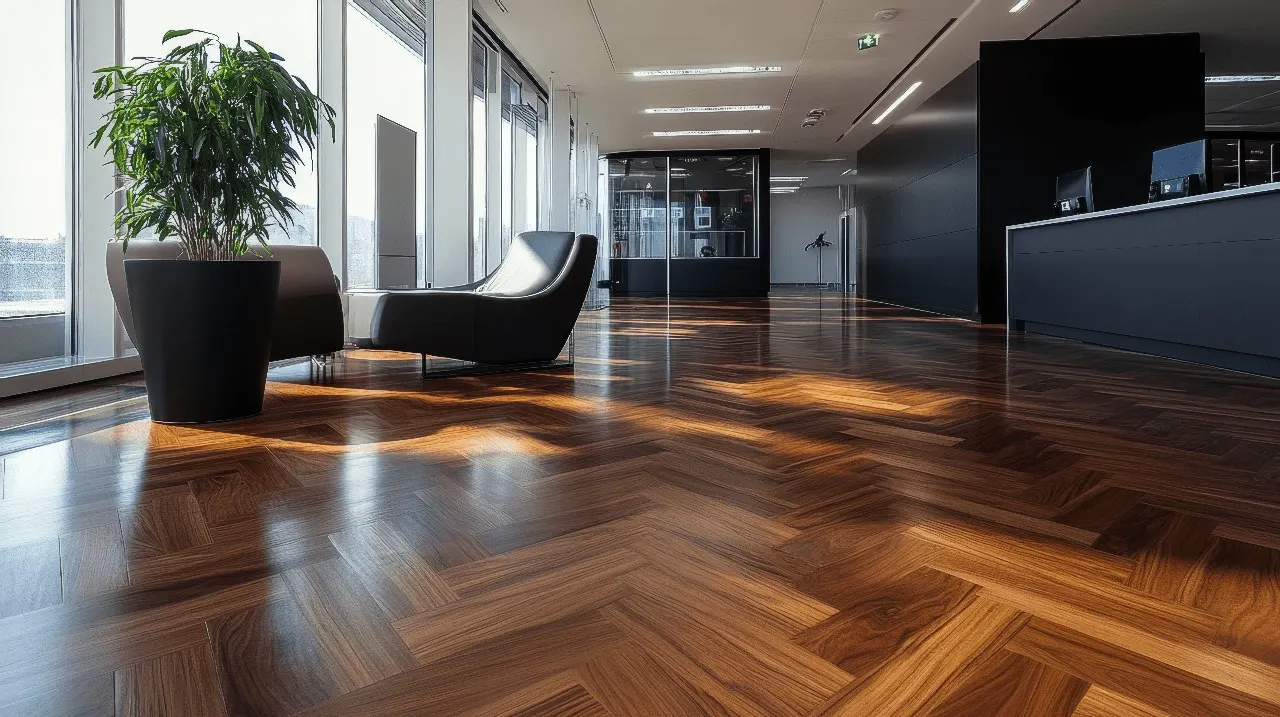
Tiles, vinyl flooring, carpet tiles, and wooden flooring dominate office interiors. Carpet tiles are preferred in IT companies due to acoustic performance. Wooden laminates cost more but add a premium feel.
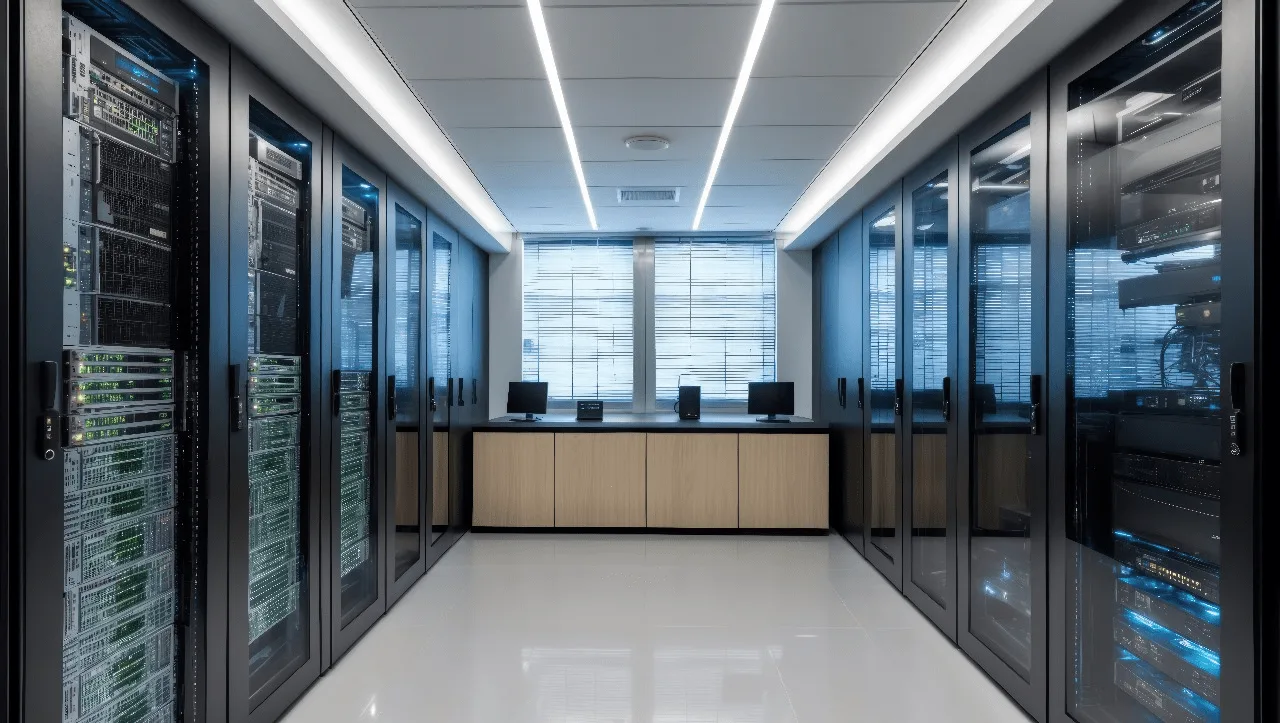 Structured cabling, racks, access control, CCTV, and redundant power dramatically change the cost. Server rooms require raised flooring, cooling systems, and fire suppression—making them the most expensive element per square foot.
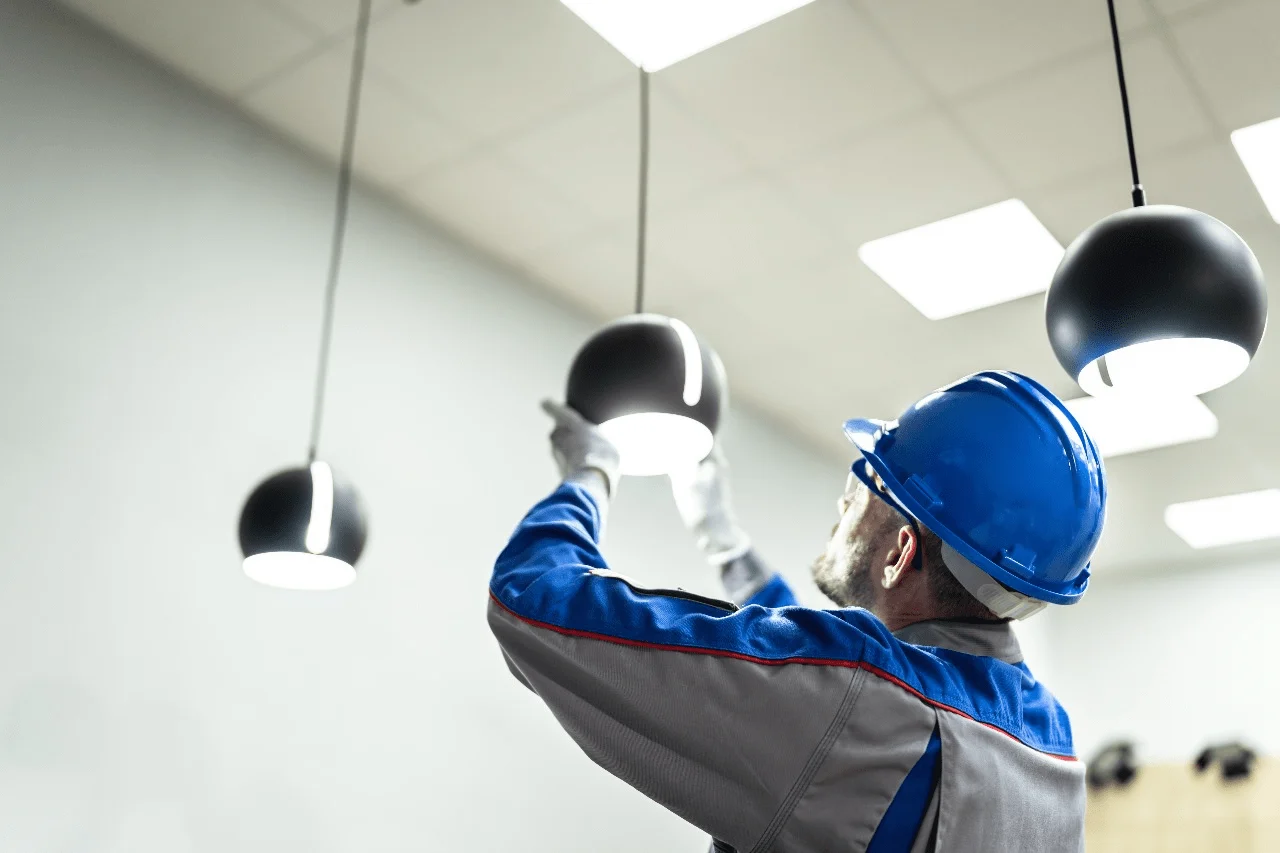
Electrical wiring, earthing, sockets, switches, and distribution boards form the foundation of a safe workspace. Reworking existing infrastructure (common in older buildings) adds to the final cost.
Cost Differences: Basic vs Premium vs Luxury Interiors
| Feature | Basic | Premium | Luxury |
| Workstations | Simple modular | Custom build | Designer/ergonomic |
| Flooring | Vinyl/tiles | Carpet + wooden | Imported wooden |
| Lighting | Basic LEDs | Architectural | Smart lighting |
| Cabins | Standard partitions | Acoustic panels | Executive-grade |
| Reception | Minimal | Stylish paneling | High-end branding |
| Cost/Sq Ft | ₹900–₹1,200 | ₹1,300–₹1,800 | ₹1,900–₹2,500 |
Identify workstation count, cabins, meeting rooms, collaboration zones, pantry needs, and brand requirements based on team size and workflow.
Conduct a site survey, take measurements, finalize the layout, and prepare a design brief aligned with your brand identity and operational needs.
Request a detailed BOQ (Bill of Quantities), compare costs, and finalise materials, finishes, furniture types, and electrical/IT specifications.
Review and approve 3D renders, elevations, and technical drawings, ensuring aesthetics and functionality meet project expectations.
Start site execution including civil modifications, electrical wiring, false ceiling, partition work, flooring, and IT/networking setup
Install modular furniture, signage, AV systems, and perform final quality checks before handing over a fully completed and ready-to-use workspace
Office interior design costs vary based on office size, scope, and execution timeline. To give you a realistic understanding of how office interior pricing works in Bangalore, here are two modern office interior projects completed by Design Arc Interiors, highlighting project size, duration, and design complexity.
The office interior design cost in Bangalore depends on materials, layout complexity, branding requirements, and IT infrastructure. While the average cost ranges from ₹1800 to ₹2,600 per sq ft, choosing the right design partner can help optimize the budget without compromising quality. With proper planning, your workspace can become a powerful asset that enhances productivity and brand value.
Ans: Between ₹1700 – ₹2,500 per sq ft, depending on specifications.
Ans: Labour rates, premium material availability, and tech-driven IT requirements increase costs.
Ans: Typically ₹45 lakh – ₹1.2 crore, depending on the finish.
Ans: Workstations, IT infrastructure, ceiling design, and branding.
Ans: Yes—use modular furniture, standard laminates, and open layouts.
Starts at ₹2,500 per sq ft, depending on materials.
Ans: it usually takes 30–60 days, sometimes it depends on the scope of work